Designing A Garden Around A Feature Element
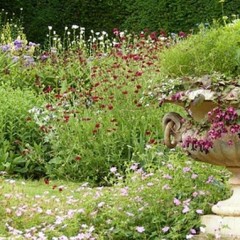
The process of landscape design, like architectural design or urban planning, generally works by getting the big picture things worked out first (like overall spatial composition) and then focussing on the small stuff. You might decide, however, to throw caution to the wind and ask your landscape architect to design your garden the other way – by framing the space around a particular piece or pieces of garden furniture or garden art. These might by objects that have jumped out at you whilst window shopping, existing elements in your garden that you’ve always loved or something with sentimental value. Going hunting for interesting, unique or just affordable furniture or other feature elements for the grounds of your property can be a very useful way to begin a design project. It can be very informative for your designer, as you will be providing an insight into your taste and your ideas for your garden. It will then be your landscape architect’s job to work out how best to make these components fit into your new or modified garden. One of the best aspects of the selection of structural garden features before finalising or even drafting the layout and specifics of a garden is that you get to design ‘outwards’ from those objects. Careful attention can be paid to the scale and composition of zones adjoining the feature elements, making sure that the spaces and components around them are tailored to suit the objects – rather than ‘retrofitting’ an object into a generic paved, pebbled or lawned area. In architectural terms, it’s the equivalent of a client falling in love with a particular oven and asking their architect to design their kitchen around that. It may seem sort of back to front, but it does make sense – for landscape as much as for architecture and interior design. I recently worked on a small back courtyard project for a property in Canberra. The subject area faced south and received very little sun during winter. The owner was keen to redo this courtyard – to improve the aesthetics of the town house’s surrounds and to provide a new passive recreation space for the warmer months. By chance, the owner happened upon a neat little bench seat which they liked and which they thought would be suitable visually and for utilitarian reasons in the courtyard. We decided to use that piece of furniture as one of the key determinants in the garden’s layout, taking into account its shape, size, colour and aesthetics. So, a series of concept sketches were prepared for the courtyard, with the subject bench seat in different spots and orientations....

Industrial Look Exposed
Industrial interior design has been popular for some years now. When it comes to this trend, it’s all about exposed surfaces, rustic flooring, minimal colour palettes and bare-all light fixtures. This warehouse style finish can also incorporate other styles for a point of difference. Many high end apartments and homes use elements of industrial design by including vintage furniture and surfaces of stainless steel. When it comes to industrial light fixtures there are certain key elements to be aware of. In recent decades the light bulb has been seen by many designers as something to hide. In fact, Poul Henningsen, one of the most well known lighting designers spent his entire life’s work dedicated to designing pendant lamps that completely encased the light source inside them. It was his theory that no glare should ever be created by lights, and his designs reflected this principle. Industrial lighting designs don’t always completely go against this, but many do, seeing the globe itself as a sight to behold. This also gives a vintage vibe to these light fixtures that feature elements that hark back to the days of old. Blown glass pendants that encase the light bulb without concealing it provide a warm and nostalgic atmosphere in kitchens and living spaces. Experiment with different shapes and tinted glass pendant lights to bring a splash of vibrant colour to any room. For a more classic approach try industrial wire bulb cages. In tones of warm copper or modern black, these pendant lamps seem to embody the industrial style effortlessly. These bulb cages come in all different shapes and sizes, and while some are ideal for home interiors others have been specifically manufactured for use in cafes, restaurants and bars. It’s often the bulbs that make all of the difference here so choose something that’ll emit a warm, ambient light to compliment your home and create mood and atmosphere. Steer clear of bulbs with cool white tones and opt for warm white lights that emit an even glow across the room. For a more vintage feel compliment your raw industrial lighting with upcycled furniture accents and accessories to create an authentic industrial look that’s both inviting and edgy. Or if you want to emulate a more modern industrial feel look towards kitchen and living room elements that are reminiscent of commercial...
Design Ideas For Big Residential Gardens
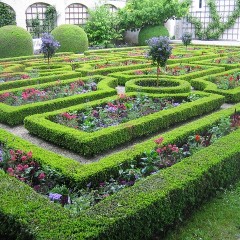
If the grounds of your house are large and you have sprawling areas of lawn and pavement, you might like to consider dividing up the garden into a series of ‘rooms’. Whilst this concept runs rather counter to the idea of being able to show off the size of a property in one glance, the creation of intentionally-framed spaces within your garden will make the visual and physical experience of the garden a much more interesting one. Consider your garden as you would when planning a new home. Even if the layout of your house is essentially open-plan, there will still be some divisions to separate recreation areas from utilitarian ones and walls or objects which break up the ground plane of the home. The idea of garden rooms is by no means new. Ancient Roman villas often contained peristylium (or columned internal garden courtyards), an atrium and enclosed garden zones adjoining the villa for orchards. Medieval garden imagery is also laden with the concept of garden rooms, of seclusion and contemplation. The complex of the Palacio de Generalife (Granada, in Spain), originally began in the early C14th, consists of various garden rooms, albeit very large ones – the water-garden courtyard and the courtyard of the Cypress amongst them. Even if your garden spaces aren’t as large as those of a medieval castle or a Moorish palace, the principles that were employed in the creation of the gardens on such grand sites can be used in standard residential situations. Landscape appreciation lies partly in a place being an unfolding story. The most interesting man-made landscapes are often those where the viewer is not ‘blinded’ by the full extent of the site in one hit. Creating a sense of anticipation in landscape spaces is as important as it is in building design. In the preparation of a design, a landscape architect will often provide glimpse views of a whole site but not disclose every aspect of the place from a single point. In your garden, don’t be afraid to experiment with division of spaces and the concept of gradual revealing – especially if you have a large property. Gardens are wonderful when they are developed to be sequential experiences. Good examples of ‘the slow reveal’ can be seen in some of the grand British estates developed in the C18th – like Stourhead. In a standard residential situation, there are many types of elements than can assist in the development of garden rooms – hedges, small feature trees, privacy screens, ha-ha walls (which support changes of level), stairs, garden art, lighting and changes of surface material being just a few. For...
Kitchens That Get Better For Living In
The kitchen is the hub of the home and it is often the room we remember as being the place where we were nurtured as children, where we learned about family life and where we saw food prepared and brought to the table. The trend in kitchen design has been towards a streamlined look with high gloss cabinetry and granite work tops. Improvements in kitchen technology have given us: large deep drawers that close quietly with a gentle nudge plug sockets that pop up from work surfaces when required extractor fans that seem to hover in space, and surfaces that have ‘easy to clean’ written all over them I wonder if kitchens are becoming sterile and characterless? Have we gone a step too far and designed all the love out of them? When I met internationally famous kitchen designer Johnny Grey earlier this year he said that the kitchen has to be a friendly space, a place to be lived in where clutter is evidence of family life and where creativity should be encouraged. I found his words inspiring because I’m forever trying to tidy up and put away and keep work surfaces clear. His ideas inform his designs so that they contain ledges for putting things on, little round tables for kids to sit around, a corner here and there for a book or some papers and somewhere to perch and rest while the potatoes are boiling. You can have a modern design with simple lines and smart styling but you don’t need to remove visible signs of your family’s story. So, breathe easy, you can leave the kiddies drawings on the fridge and have the jar of coffee on view along with last night’s opened bottle of wine. In the design world we often describe certain materials as ‘forgiving’ and I think these kitchens are just that! Here are a few images I think to work well with this philosophy. They will still look good with crumbs on the work surface, finger marks on the doors, and scuffs on the floor, reminding me of this comment roundup from farmhouse kitchen experts. How do you rate your kitchen for...
Warm Things Up With Copper Tones This Winter
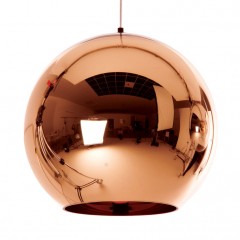
As the weather cools down, it’s time to warm up with glowing metallic tones. If we’re not wearing rose gold, we’re looking for lighting accents in copper for our homes. Without doubt, copper and rose gold have become popular choices for interior accents, lighting fixtures and fashion pieces in recent times. Looking specifically at copper, let’s talk about why the warmer of the shades has taken over in the metallic stakes. Copper has a natural, organic appeal, giving it a level of versatility some might dismiss at first. Take something like the replica Tom Dixon Copper Shade pendant lights. They’re not only classic in shape in style, but their highly reflective copper surface means that they compliment any room with ease. Copper can be paired with almost all neutral colour schemes and can add a level of vibrancy to plain, white interiors. If you really want to create the ‘wow’ factor in your home using copper, the Tom Dixon Etch Web pendant makes a real statement. While a single bulb positioned in the centre of the copper web, it throws light and shadow across all surrounding surfaces making it the ideal focal point for dining rooms and home interiors, especially those with high ceilings. While we are noticing a real lean towards copper pendants, there’s also a focus on copper wall lights, spot lights, table lamps and even garden lights. The copper obsession extends far beyond the home interior. While many home owners originally opted for black or silver outdoor lighting accents, copper is gradually making a very big comeback as a classic lighting colour/material fixture choice. And if you’re not sure how to decide between shiny or matt finish, bright or dull copper shades, mix and match. There are no hard and fast rules with this trend, you just need to play around with it and see what works for you. My only word of caution here would be to stick to a few key pieces so as to not overdo it. A table lamp, a cluster of pendants or a large copper planter can add that extra bit of warmth you’ve been looking for. Our love affair with rose gold and copper doesn’t seem to be coming to an end anytime soon. If you’re considering redecorating your abode, think about adding pieces that feature timeless warm metallic shades. Image Source:...
Recent From Architecture
-
 7 Benefits of Engineered Wood Flooring Jan 27, 2022
 -

-

-

Recent From Garden


Also On: